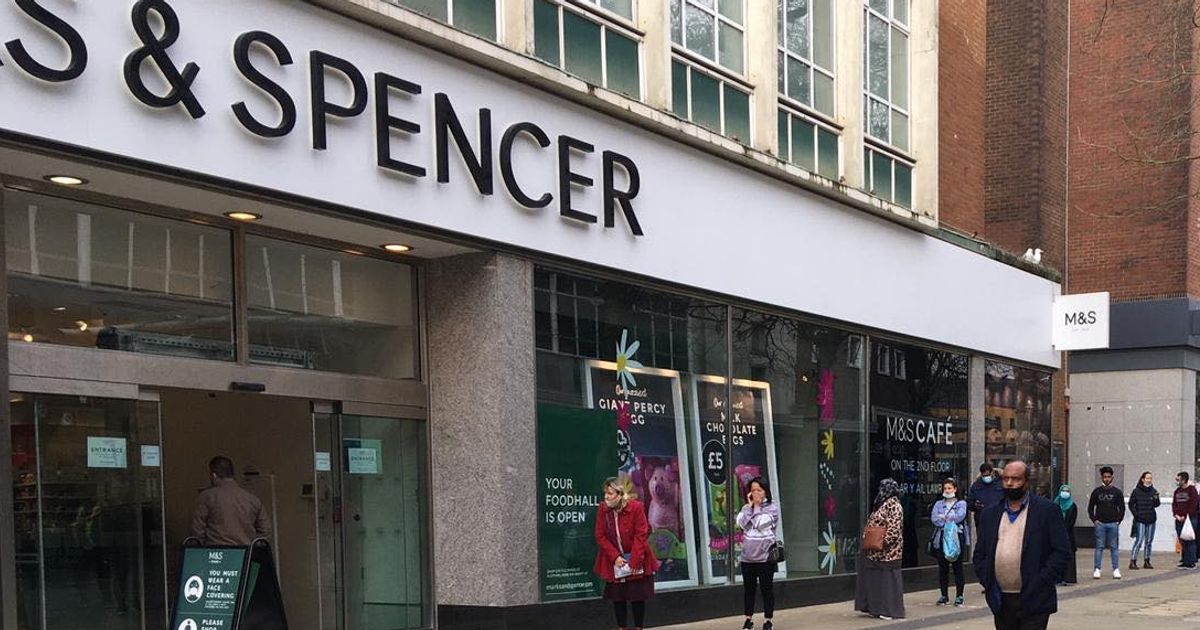
M&S Swansea City Centre Closure: A Hammer Blow Putting 90 Jobs at Risk and Reshaping Welsh Retail
The heart of Swansea's retail landscape is set to undergo a significant transformation with the confirmation that the long-standing Marks & Spencer store in the city centre will close its doors later in 2026. This pivotal decision by the iconic British retailer places approximately 92 jobs directly at risk and marks a profound shift for both the community and the broader pattern of
m&s store closures wales. For decades, the Oxford Street branch has been more than just a shop; it has served as a cornerstone of the city, a reliable destination for everything from quality clothing to delectable food items. Its impending departure signals a challenging period for the affected staff and raises critical questions about the future vitality of high streets across Wales.
The news, initially communicated to staff on Tuesday morning, 24 February, came as a stark reminder of the volatile nature of modern retail. While M&S has stated that a comprehensive consultation process with employees will commence to explore alternative roles within other M&S sites, the uncertainty looms large over dozens of families. No definitive closing date has been publicly announced, but the timeline stretching into 2026 offers a window for both the company and the local community to prepare for this significant transition. This particular instance of
m&s store closures wales is not an isolated event but rather a symptom of larger trends affecting the entire retail sector.
A Landmark Departs: The End of an Era for M&S Swansea
For generations of Swansea residents, the Marks & Spencer store on Oxford Street has been an indelible part of their shopping experience. From school uniforms to festive treats, the store held a unique place in the city's collective memory. Its multi-floor layout, offering a diverse range of products from fashion and homeware to a bustling food hall and café, made it a one-stop shop for many. Its status as an anchor tenant often drew shoppers into the city centre, indirectly supporting surrounding businesses. The sheer longevity of M&S's presence in central Swansea for a considerable time underscores the historical significance of this closure.
Richard Owen, M&S Regional Manager, articulated the difficult rationale behind the decision, stating, “Customer shopping habits are changing, and as part of our UK-wide store rotation programme, we’re adapting our estate to ensure we have the right stores with the right space to deliver an excellent shopping experience.” This statement highlights a proactive strategy by M&S to modernise its retail footprint, which unfortunately, sometimes necessitates difficult choices regarding underperforming or logistically challenging locations. The Swansea store, despite its rich history, falls into this category, becoming another example in the ongoing narrative of
m&s store closures wales as the retail giant adapts to contemporary demands. The emotional connection many have to the store makes this closure particularly poignant for the community.
Decoding the Decision: Underperformance, Operational Hurdles, and Changing Habits
The decision to close the Swansea city centre M&S store is multifaceted, rooted in a combination of long-term underperformance and significant operational challenges. Richard Owen's statement elaborated on these key factors, noting that the building itself faces considerable hurdles requiring substantial investment. Older buildings, while possessing charm and history, often come with outdated infrastructure, inefficient layouts, and higher maintenance costs that can be prohibitive in today's competitive retail environment. Modern retail demands flexible spaces, energy efficiency, and seamless logistics – attributes that heritage buildings often struggle to provide without colossal upgrades.
Beyond the structural issues, the shifting sands of consumer behaviour have played a pivotal role. The rise of online shopping, coupled with a growing preference for out-of-town retail parks that offer ample parking and convenience, has steadily eroded footfall in many traditional city centre locations. Customers are increasingly seeking curated experiences or quick, convenient food shopping rather than extensive department store visits. M&S's broader strategy involves prioritising food halls, enhancing its online presence, and developing smaller, more efficient fashion and home stores that align with these evolving habits.
As we delve deeper into this decision, it becomes clear that it's a strategic move for M&S to ensure its long-term growth and viability. This aligns with broader retail trends across the UK, where traditional department store models are being re-evaluated. For more detailed insights into these contributing factors, you might find our related analysis particularly informative:
Why M&S Swansea Is Closing: Underperformance & Changing Habits. Understanding these dynamics is crucial to comprehending the rationale behind such impactful decisions, not just for this store but potentially for other instances of
m&s store closures wales in the future.
The Wider Ripple: Impact on Swansea City Centre and the Welsh Retail Landscape
The departure of a major anchor store like M&S will undoubtedly send ripples throughout Swansea city centre. Anchor stores are vital for driving footfall, acting as magnets that draw shoppers who then often patronise other nearby businesses, cafes, and restaurants. The loss of M&S could lead to a noticeable decrease in visitor numbers, posing challenges for independent retailers and other chains that rely on the cumulative draw of a vibrant high street. The immediate aftermath will likely see a large, prominent retail space standing empty, which could affect the overall appeal and perceived vitality of Oxford Street.
From a broader perspective, this closure reflects the ongoing struggles faced by high streets across Wales. Many towns and cities are grappling with vacant units, reduced consumer spending in physical stores, and the monumental task of reinventing themselves for the 21st century. The narrative of
m&s store closures wales is not just about a single retailer; it symbolises a national trend where traditional retail models are being challenged by digital alternatives and changing lifestyles. Local authorities and business improvement districts are constantly seeking innovative solutions, from promoting mixed-use developments to fostering experiential retail and cultural attractions, to breathe new life into these crucial urban spaces. The challenge for Swansea will be to strategically redevelop the site and surrounding areas to mitigate the negative impact and create new reasons for people to visit and engage with the city centre. For further exploration of how this closure impacts the city, see our article:
Swansea's M&S Store to Shut by 2026: A Blow to the City Centre.
Navigating the Future: Support for Staff and the Evolving Retail Model
At the heart of any store closure are the employees whose livelihoods are directly affected. The approximately 92 staff members at the M&S Swansea store now face an uncertain future. While M&S has committed to a consultation process aimed at exploring alternative roles within the company, the reality is that such opportunities may not always align with an individual's skills, location, or desired career path. It is a time of immense stress and potential upheaval for these dedicated individuals, many of whom have likely served the store and the community for many years.
For those facing redundancy or redeployment, practical steps can make a significant difference.
Key strategies include:
- Updating CVs and LinkedIn profiles: Highlighting transferable skills developed in a retail environment, such as customer service, inventory management, teamwork, and problem-solving.
- Networking: Connecting with former colleagues, industry contacts, and local business communities.
- Exploring training and upskilling opportunities: Many government and local initiatives offer support for those seeking to transition into new sectors or enhance existing skills, particularly in digital areas.
- Seeking career counselling: Professional guidance can help clarify career goals and identify suitable pathways.
From M&S's perspective, this closure is part of a broader, proactive strategy to modernise its estate. The retailer is actively investing in new, modern food halls, which often perform exceptionally well, and smaller, more agile clothing and home formats that are better suited to contemporary shopping behaviours. The focus is also heavily on its robust online platform, which provides convenience and broader access to its product range. This "store rotation programme" aims to create a more efficient and profitable network of stores across the UK, ensuring the brand's resilience in an ever-changing market. While difficult for the affected communities and staff, these strategic adjustments are deemed necessary for M&S to thrive long-term.
Conclusion
The impending closure of the M&S Swansea city centre store is more than just a commercial decision; it's a deeply significant event that underscores the dramatic shifts occurring in the retail sector. While posing immediate challenges for the 90 jobs at risk and the vibrancy of Swansea's Oxford Street, it also reflects M&S's strategic commitment to adapt and evolve within a dynamic marketplace. The narrative of
m&s store closures wales, exemplified by this Swansea branch, serves as a poignant reminder of the need for both retailers and urban planners to innovate, diversify, and create compelling reasons for consumers to engage with physical spaces. As the curtains prepare to fall on a long-standing institution, the focus now shifts to supporting the affected individuals and reimagining the future of Swansea's retail heart, ensuring it remains a thriving and relevant destination for generations to come.